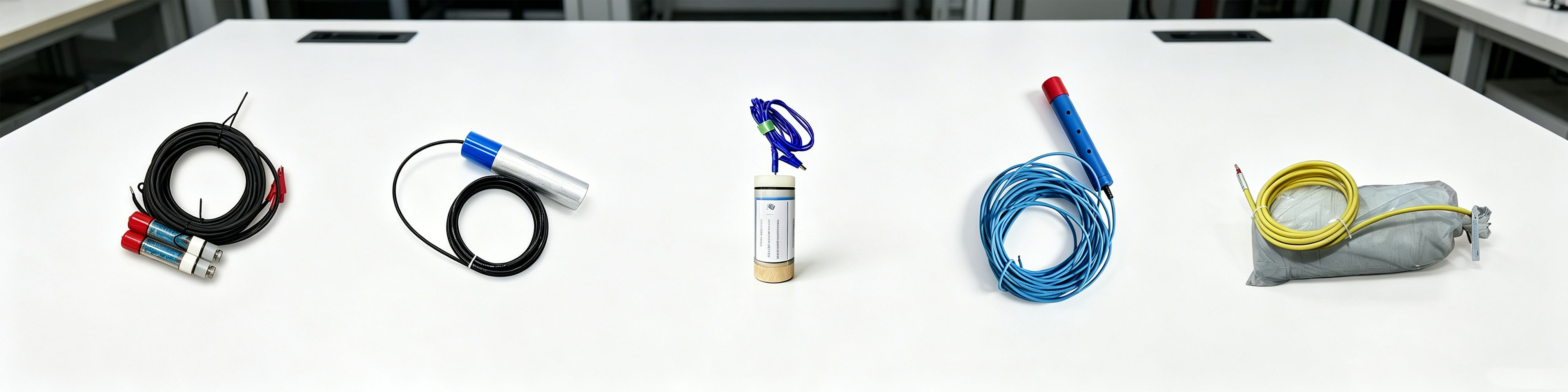
A reference electrode is a benchmark component in cathodic protection systems that provides a stable and reversible potential. It forms a circuit with the protected structure to measure the structure/electrolyte potential and determine whether the protection criteria are met.

The test post is a key device in the cathodic protection system of long-distance pipelines, used to measure parameters such as potential, current, and insulation performance. It is of vital importance for evaluating and ensuring the anti-corrosion effect of the pipeline. The test post serve as the "health check station" for the pipeline cathodic protection system. By regularly or continuously monitoring key parameters, they provide indispensable data support for evaluating the anti-corrosion effect and promptly identifying potential hazards. They are an important facility for ensuring the safe operation of the energy arteries.
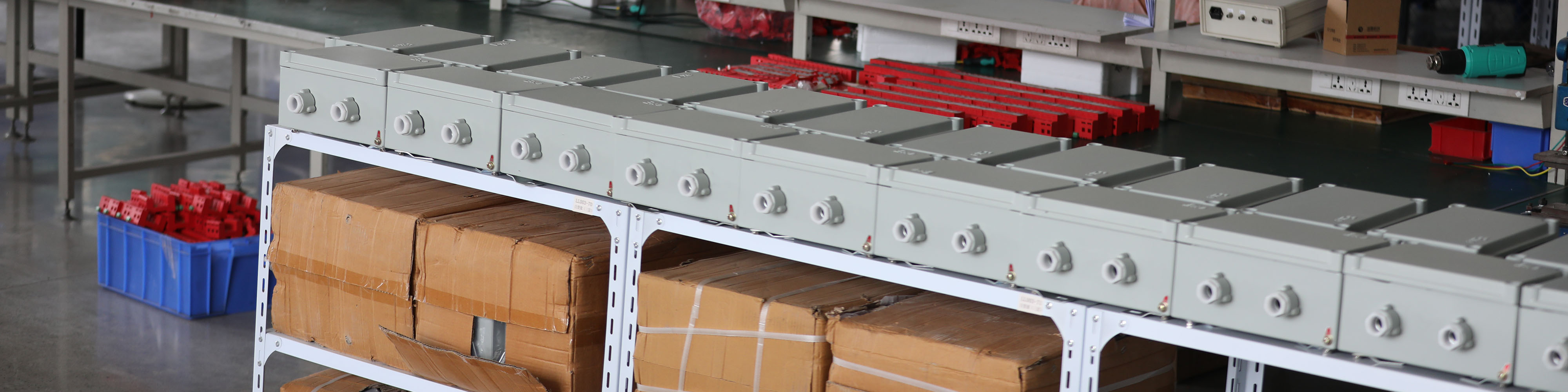
A cathodic protection junction box is a crucial component in cathodic protection (CP) systems, used to manage and facilitate the distribution and monitoring of electrical currents in corrosion control applications. These junction boxes are designed to be versatile, accommodating various electrical characteristics while also being tailored to withstand specific environmental conditions.
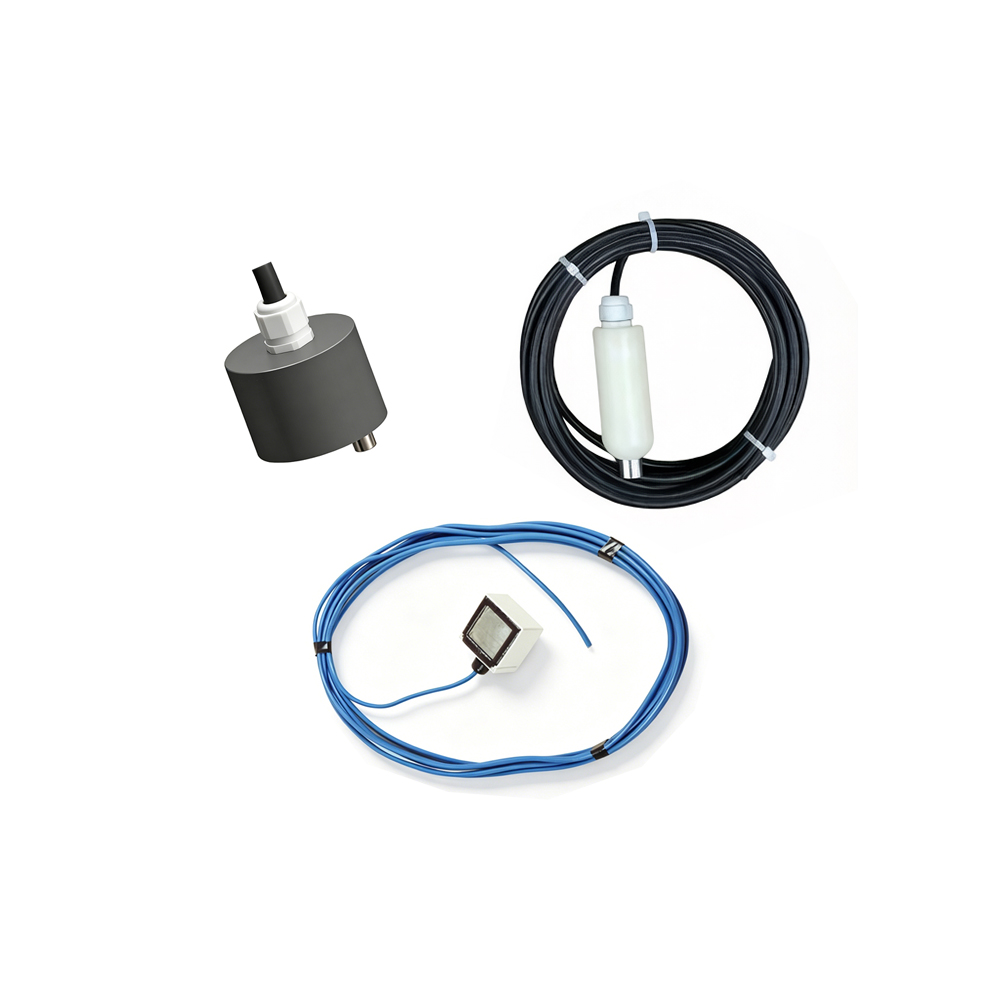
Cathodic protection coupons are simulated specimens made of the same material as the protected structure and buried in a similar environment. They independently measure polarization potentials to accurately reflect the structure’s protected status and verify system performance.
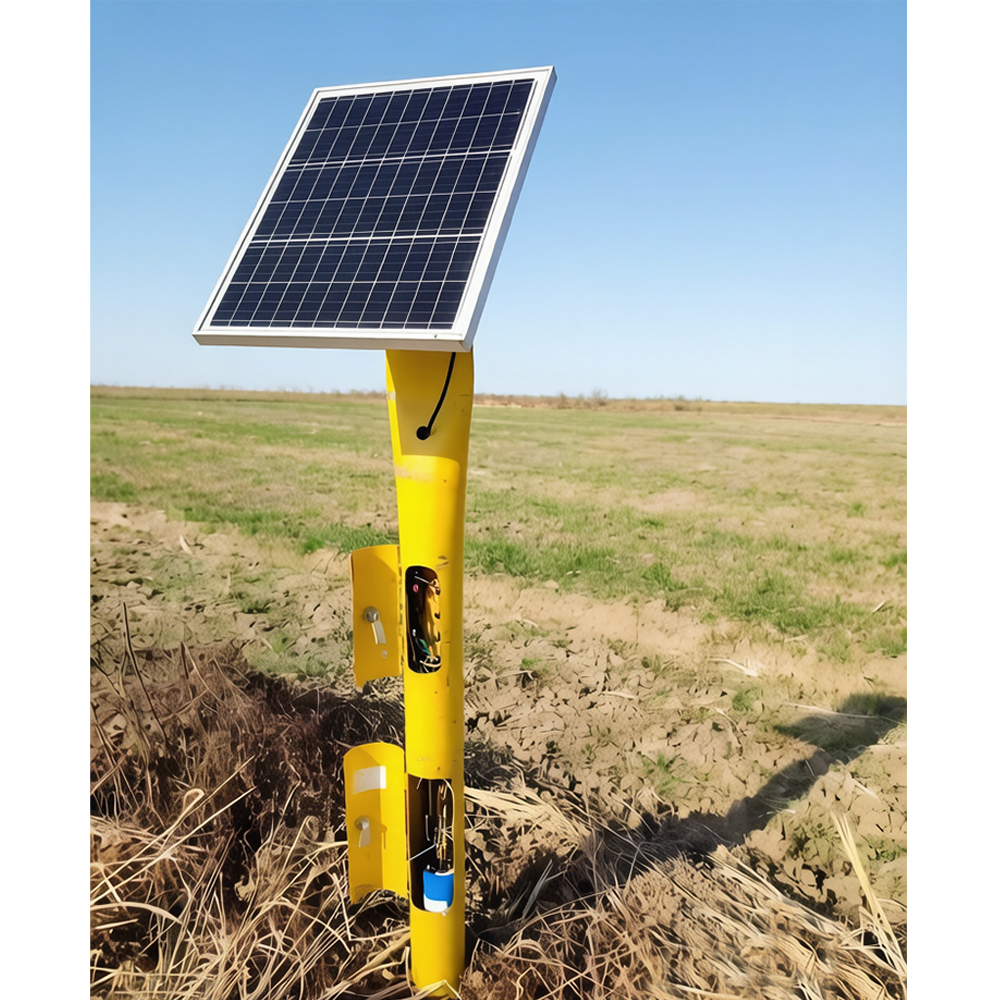
The data acquisition module monitors on/off potentials, AC interference voltage, and CP current in real time. The interrupter automatically switches the protection current per set cycles. Together, they eliminate IR drop to obtain accurate polarized potentials, enabling digital monitoring.