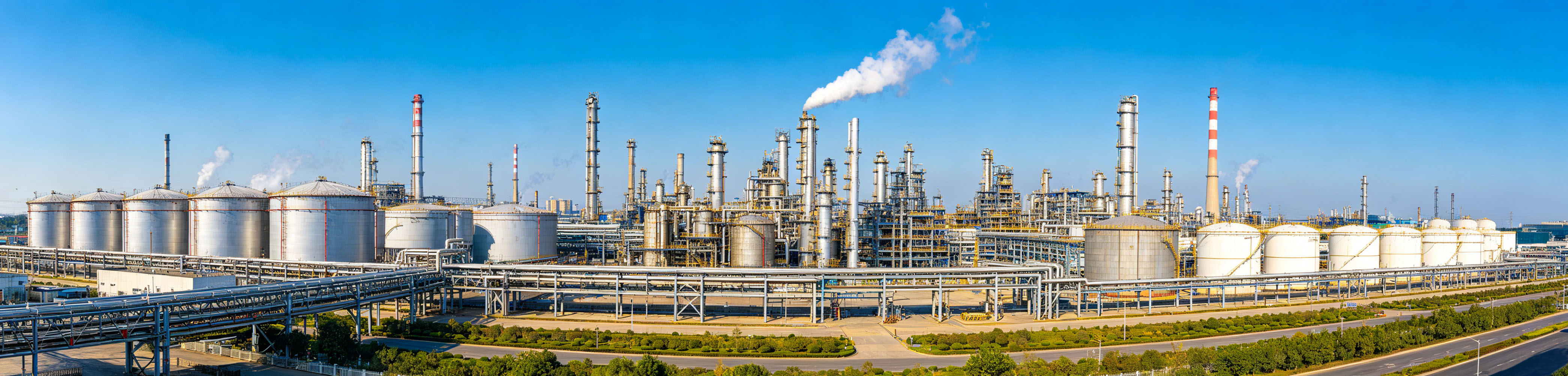

Onshore steel structure protection

Onshore steel structure protection

Subcategories

Storage Tank
Cathodic protection for storage tanks primarily employs sacrificial anodes or impressed current systems. It focuses on protecting the external bottom plates and internal liquid fluctuation zones against soil or medium corrosion, thereby extending the tank's service life.

Storage Tank

Cathodic protection for storage tanks primarily employs sacrificial anodes or impressed current systems. It focuses on protecting the external bottom plates and internal liquid fluctuation zones against soil or medium corrosion, thereby extending the tank's service life.

Explore Series →
Long-Distance Pipeline
Cathodic protection for long-distance pipelines usually adopts sacrificial anodes or impressed current systems supply negative current to the buried steel pipeline to suppress soil corrosion, ensure the polarized potential meets criteria, and guarantee long-term safe operation.
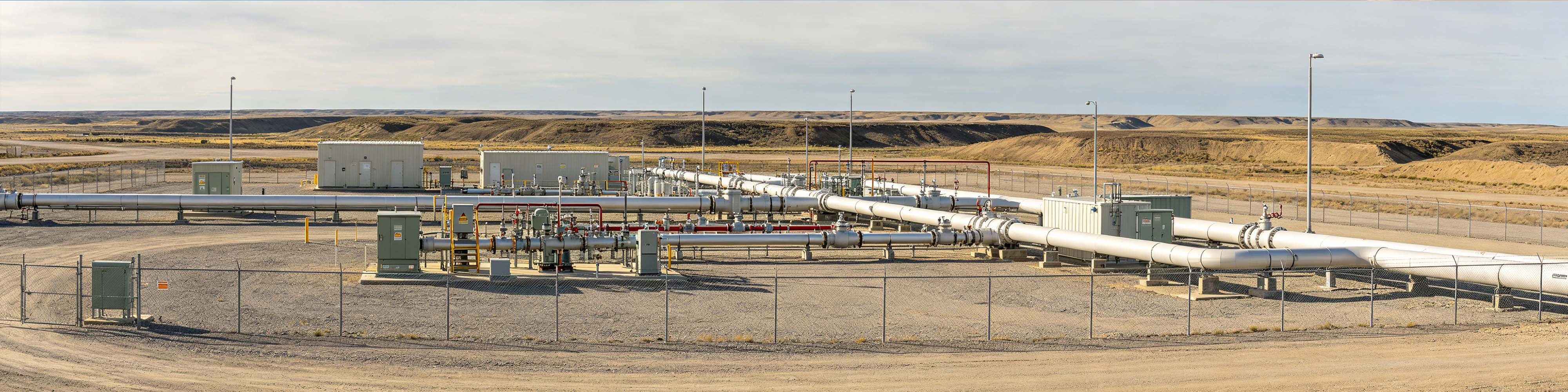
Long-Distance Pipeline

Cathodic protection for long-distance pipelines usually adopts a combined scheme of anti-corrosion coating plus cathodic protection. Sacrificial anodes or impressed current systems supply negative current to the buried steel pipeline to suppress soil corrosion, ensure the polarized potential meets criteria, and guarantee long-term safe operation.

Explore Series →
PC Station
Cathodic protection for stations targets equipment-dense areas using deep well anodes or distributed shallow anodes to overcome shielding effects. It provides uniform protection for pipelines, vessels, and process facilities while preventing interference corrosion.

PC Station

Cathodic protection for stations targets equipment-dense areas using deep well anodes or distributed shallow anodes to overcome shielding effects. It provides uniform protection for pipelines, vessels, and process facilities while preventing interference corrosion.

Explore Series →
Refinery
Cathodic protection in refineries addresses complex corrosive environments by implementing zoned protection for underground pipelines, tank foundations, and grounding grids. Combining impressed current with deep well anodes effectively overcomes shielding and stray current interference, ensuring comprehensive protection across process units.
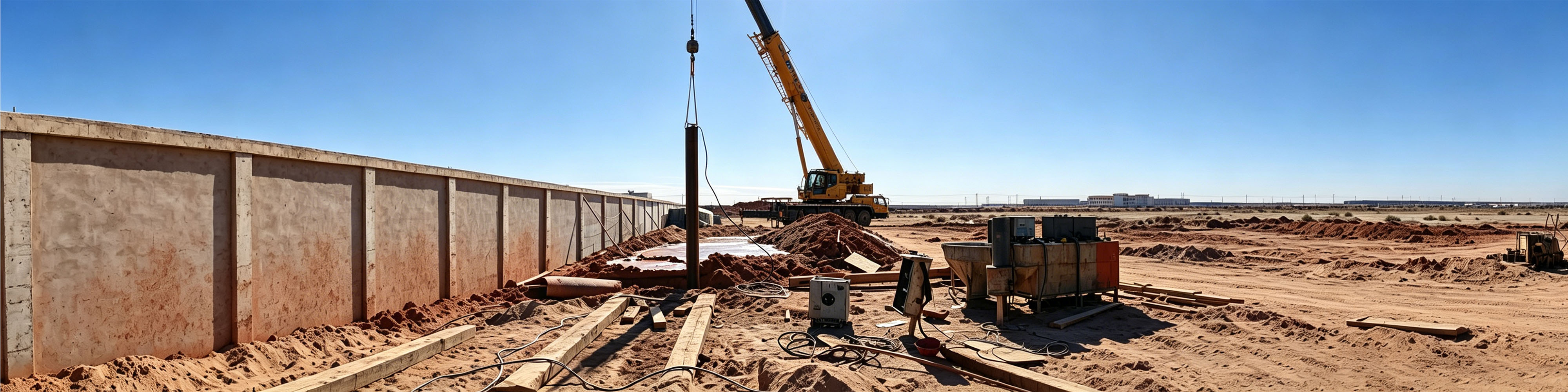
Refinery

Cathodic protection in refineries addresses complex corrosive environments by implementing zoned protection for underground pipelines, tank foundations, and grounding grids. Combining impressed current with deep well anodes effectively overcomes shielding and stray current interference, ensuring comprehensive protection across process units.

Explore Series →
Deep-Well
A deep well anode is an anode bed form for impressed current cathodic protection, with anode strings buried tens of meters into low-resistivity soil layers. It suits space-constrained sites such as stations and urban areas, offering uniform current distribution and reducing interference to other buried facilities.


Deep-Well

A deep well anode is an anode bed form for impressed current cathodic protection, with anode strings buried tens of meters into low-resistivity soil layers. It suits space-constrained sites such as stations and urban areas, offering uniform current distribution and reducing interference to other buried facilities.

Explore Series →