

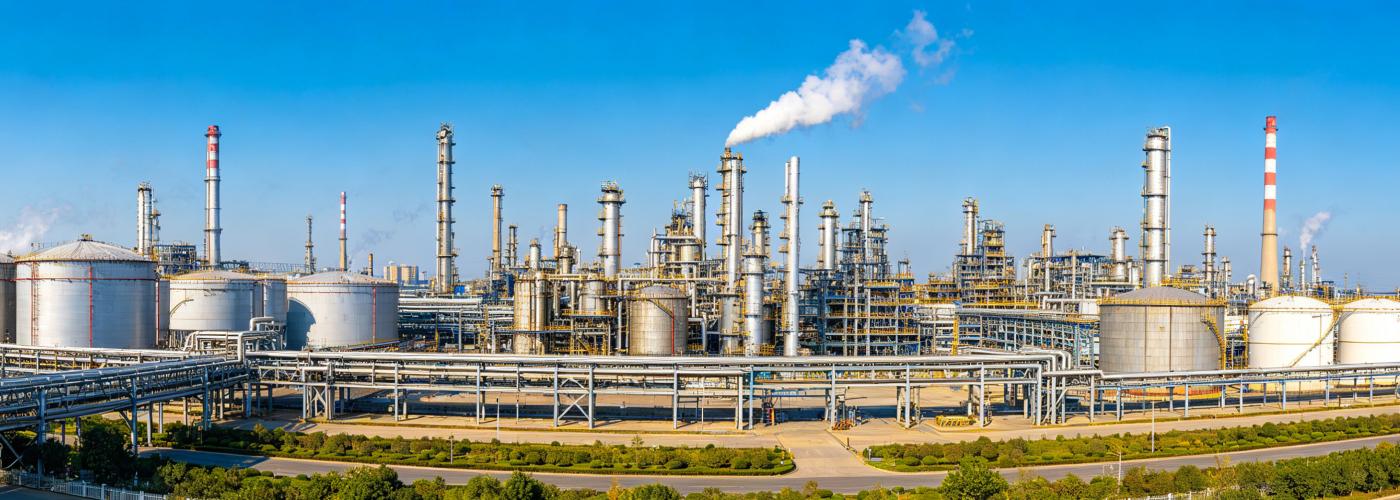
In the fields of petrochemicals and storage transportation, large storage tanks serve as the "ballast" of energy reserves. However, the highly corrosive nature of stored media (such as sour crude oil and sulfur-containing chemicals) and the soil electrolyte environment outside the tank bottom plate place tanks under constant internal and external corrosion threats. Once anti-corrosion measures fail and leakage occurs, it not only results in economic loss but also leads to catastrophic environmental pollution and safety incidents.
I. Current Status: Synergy Between Internal Coatings and External Cathodic Protection
Currently, tank anti-corrosion has developed into a mature system of "internal and external cultivation."
For internal protection, coating systems are the primary barrier against media erosion. For tank bottoms and walls, high-performance dual-layer fusion-bonded epoxy (FBE) coatings or liquid epoxy glass flake coatings are widely used. These materials possess excellent chemical resistance and impact resistance, effectively isolating the medium from the steel plate. To address severe wear on the upper surface of the tank bottom, sacrificial anode blocks (such as zinc ribbon) are often added atop the coating to prevent local corrosion perforation at coating defect sites.
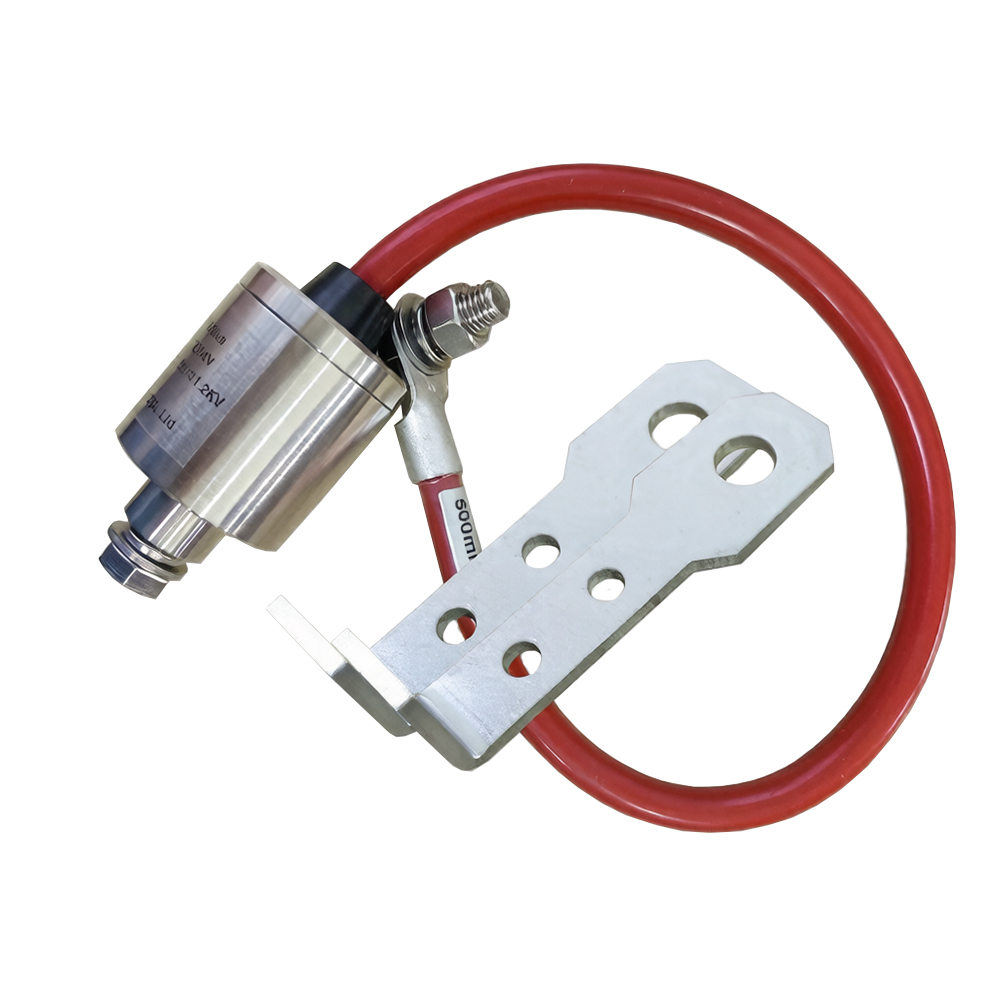
For external protection, especially the "dead zone" where the outer bottom plate contacts the foundation, Cathodic Protection (CP) is an indispensable last line of defense. Since this area is in an oxygen-deficient, high-resistivity crevice environment, natural anti-corrosion is extremely difficult. The current mainstream solution is the sacrificial anode method (e.g., magnesium alloy anodes), burying them around the tank perimeter or within the foundation sand to suppress bottom plate corrosion through continuous current output. For newly built large strategic reserves, the introduction of deep anode bed impressed current systems is gradually increasing to solve interference issues in large tank farms.
II. Pain Points: Invisible Hazards
Despite technological maturity, significant pain points persist in tank anti-corrosion. First is construction defects; the large-area spraying of tank interiors is prone to pinholes and holidays, and these tiny flaws often become the starting points of corrosion. Second is the detection blind spot; corrosion beneath the tank bottom plate is extremely difficult to detect through conventional means, often referred to as the "underwater iceberg." Furthermore, with the renovation of aging tank farms, implementing online anti-corrosion repair without emptying or stopping production is the biggest challenge currently facing operation and maintenance departments.
III. Outlook: Intelligent Perception and Green Life Extension
Looking ahead, tank anti-corrosion will develop toward "visualization, intelligence, and greening."
First, automatic leak detection technology. Future tanks will integrate distributed optical fiber sensor networks to monitor potential changes and leakage beneath the bottom plate in real-time. Combined with machine vision and wall-climbing robots, fully automatic scanning and defect identification of the tank's inner wall coatings will be realized, nipping corrosion hazards in the bud.
Second, long-life environmental coatings. Research and development of low-VOC, solvent-free nano-modified epoxy resins will significantly improve coating toughness and thermal conductivity to adapt to temperature differences and thermal-mechanical coupling conditions. Simultaneously, graphene anti-corrosion coatings will gradually replace traditional coatings in high-end tank applications due to their superior shielding performance.
Third, green remanufacturing technology. For in-service tanks, the promotion of online cleaning and repair technology without shutdown will be accelerated, utilizing high-pressure water jetting and special polymer composite materials for pressurized sealing and reinforcement, drastically reducing maintenance costs and safety risks.
Conclusion
Tank anti-corrosion is a silent battle to safeguard energy security. From passive repair to active perception, technological iteration will ensure these energy containers remain indestructible against the erosion of time, providing lasting protection for the nation's energy lifeline.